When we talk about health, we usually focus on what we do—how we eat, sleep, move, and manage stress. But health is also shaped by what surrounds us, especially the indoor environments where we spend most of our time. Air quality, dust, moisture, and the condition of older building materials can quietly influence how we feel day to day, and they can also affect long-term risk in ways people don’t always connect to “wellness.”
That’s one reason we worked with Asbestos Testing San Diego CA on a topic that sits at the intersection of home maintenance and public health: how to think clearly about asbestos and indoor exposure risk—without panic, and without ignoring it. Asbestos issues are rarely dramatic until someone starts renovating, disturbing materials, or uncovering damage that releases fibers into the air.
This guest post bridges broad health thinking with practical prevention. The goal is simple: help people make informed choices about indoor risks, especially in older properties, while keeping the focus on what actually protects health—awareness, appropriate testing, and professional handling when needed.
1) WHY INDOOR ENVIRONMENTS BELONG IN ANY HEALTH CONVERSATION
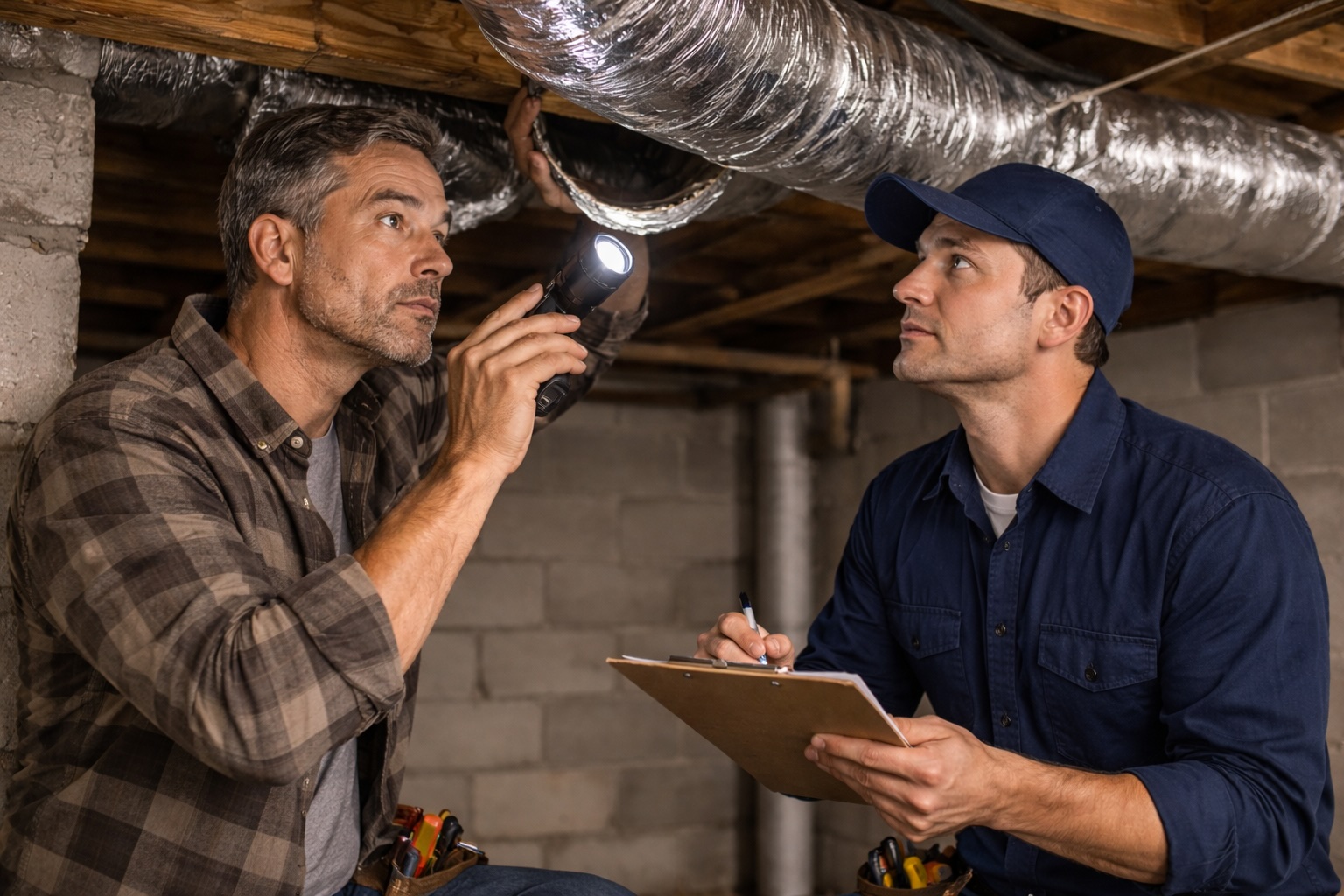
“Health” isn’t only a personal routine; it’s also an exposure profile. That means the air you breathe, the dust you’re around, and the materials in your home or workplace matter alongside nutrition and exercise. For most people, indoor risks are invisible until something changes—like a leak, a remodel, a storm, or a move into an older property.
This is why prevention-minded health thinking includes the built environment. It’s not about being afraid of your home. It’s about recognizing that buildings age, materials degrade, and renovations can disturb things that were previously sealed or stable.
2) ASBESTOS IN PLAIN ENGLISH: WHAT IT IS AND WHY IT’S TAKEN SERIOUSLY
Asbestos is a group of naturally occurring mineral fibers that were widely used in building materials for decades because they resist heat and wear. The concern isn’t “asbestos exists.” The concern is inhalation of airborne fibers, particularly when asbestos-containing materials are disturbed or damaged.
Public health agencies have been clear that asbestos exposure is linked to serious diseases that often develop many years after exposure, including lung-related disease and certain cancers. A solid, readable reference is the CDC/ATSDR public health statement on asbestos, which summarizes health effects and risk factors without hype: https://wwwn.cdc.gov/TSP/PHS/PHS.aspx?phsid=28&toxid=4.
Two important ideas keep this grounded:
- Risk generally increases with greater intensity and longer duration of exposure.
- The biggest danger comes from disturbing asbestos-containing materials (cutting, sanding, drilling, demolition), not simply living near something that remains intact and undisturbed.
3) WHERE PEOPLE RUN INTO RISK: RENOVATIONS, DAMAGE, AND “UNKNOWN” MATERIALS
Most modern homeowners don’t wake up thinking about asbestos. They run into it when they start improving a space—removing popcorn ceilings, replacing old flooring, opening a wall, or ripping out insulation. The risk jumps when materials become friable (easily crumbled) or when dust becomes airborne.
Common scenarios where people unintentionally create exposure include older homes with aging materials, water damage that weakens building components, and DIY remodels that generate dust. None of this is meant to discourage improvements—only to reinforce a smarter sequence: identify risk before you create dust.
This is also where testing fits into the health conversation. Testing isn’t “alarmist.” It’s a practical decision tool: it helps you avoid guessing, and it informs whether a project can proceed normally or needs professional containment and removal.
4) HEALTH-FIRST DECISION MAKING: WHEN TO TEST AND WHAT TO DO WITH THE RESULT
A good health approach is calm and methodical. If you suspect asbestos could be present—especially in an older property or before renovation—testing helps you choose the safest path forward. The point isn’t to treat every older building like a hazard zone. The point is to avoid disturbing unknown materials and hoping for the best.
Here are the most common reasons people choose testing (and why they’re reasonable):
- Before remodeling: you’re about to cut, drill, sand, or demolish.
- After damage: a leak, flood, or deterioration may have compromised materials.
- During a property purchase: you want clarity on what you’re inheriting.
- When you find suspicious materials: older insulation, flooring layers, ceiling textures, or cement-like boards in unknown condition.
If results indicate asbestos-containing material, the next step is not “DIY removal.” It’s deciding whether the safest plan is to leave the material undisturbed, encapsulate it, or use qualified professionals for removal—based on condition, location, and planned work. This is the part that protects health: not just knowing, but responding appropriately.
5) CONNECTING “WELLNESS” TO PRACTICAL PREVENTION: BREATH, STRESS, AND PEACE OF MIND
It’s easy to think of wellness as yoga, supplements, and better sleep hygiene. But for many people, “wellness” also means living in a space that doesn’t trigger constant worry or recurring discomfort. Indoor environmental uncertainty can become background stress, especially when a household is mid-renovation or dealing with persistent dust and damage.
Prevention reduces stress because it replaces uncertainty with a plan. If you’re making upgrades, it’s often worth treating the building process like a health project:
- reduce dust generation where possible,
- isolate work zones,
- improve ventilation appropriately,
- and avoid disturbing unknown materials until you have clarity.
This isn’t about making every home into a laboratory. It’s about respecting that indoor air and dust exposure are part of the health picture—and that small decisions can prevent big problems.
6) SAFER RENOVATION HABITS THAT SUPPORT HEALTH
If you’re renovating, the healthiest approach is to plan for air quality the same way you plan for budget and timelines. That includes knowing what materials you’re working with, using proper containment practices when creating dust, and recognizing when a job is beyond DIY territory.
Here are a few practical habits that support a health-first remodel:
- Start with identification: If your home is older, assume some materials may require verification before disturbance.
- Control dust: Use containment, protect HVAC returns, and clean with methods that reduce airborne particles.
- Don’t dry-sand unknown materials: Sanding can aerosolize dust quickly and spread it throughout a property.
- Use qualified help when needed: Especially when the work involves suspect materials, extensive demolition, or areas with heavy dust generation.
For broader context on asbestos and cancer risk – again, presented in a straightforward, evidence-based way – the National Cancer Institute’s asbestos fact sheet is a strong resource: https://www.cancer.gov/about-cancer/causes-prevention/risk/substances/asbestos/asbestos-fact-sheet.
7) THE BIG TAKEAWAY: A HEALTHY LIFE INCLUDES A HEALTHY BUILDING PLAN
Health isn’t only something you “do.” It’s also something you protect by reducing avoidable risks. For people living in or renovating older properties, asbestos awareness is part of that protection—especially because risk often rises when materials are disturbed.
Working with Asbestos Testing San Diego CA reinforced a simple truth that applies to almost every health topic: informed, preventative action beats reactive panic. If you’re planning renovations or dealing with damaged older materials, take the extra step to confirm what you’re working with. Your lungs, your future self, and your peace of mind are worth that small investment in clarity.